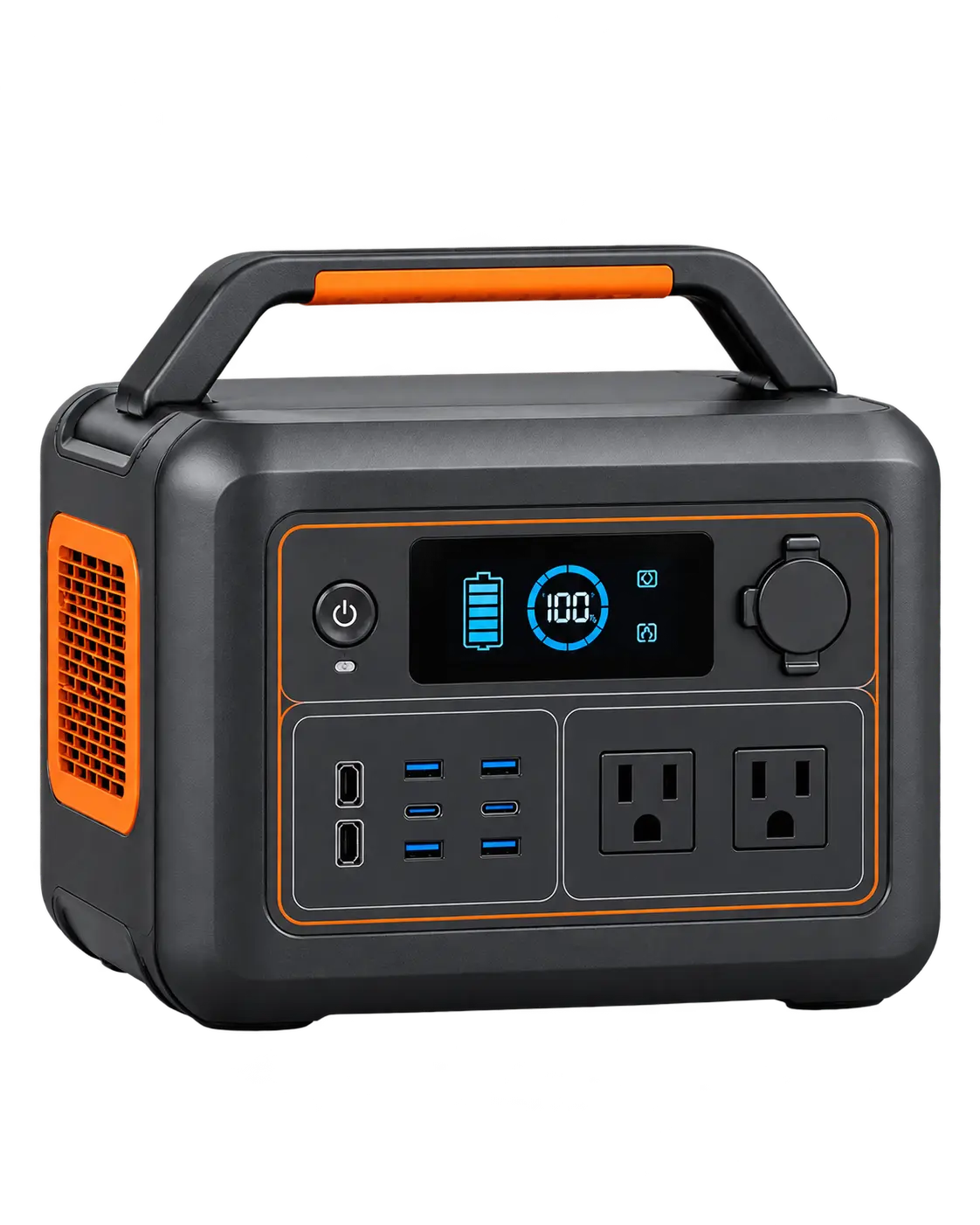
Is It Safe to Use a Portable Power Station Indoors?
Yes, portable power stations are safe to use indoors when used as directed. Unlike gas generators, they don’t burn fuel, so they produce no carbon monoxide or exhaust.
Quick answer
Power stations are designed for indoor use. Keep vents clear, keep the unit dry, don’t exceed its output rating, and choose LiFePO4 models with UL 2743 certification for the best safety.
Why Power Stations Are Safe Indoors
- No combustion, so no carbon monoxide.
- Battery management systems protect against overcharge, overheating and short circuits.
- LiFePO4 chemistry is highly resistant to thermal runaway.
Safety Tips
- Leave 6+ inches of space around vents.
- Keep away from water, heaters and direct sunlight.
- Don’t cover the unit with blankets or store items on top while it’s working hard.
- Use cords rated for the load.
- Never backfeed your home through a wall outlet; use a transfer switch installed by an electrician.
- Charge within the manufacturer’s temperature range (typically above freezing).
Certifications to Look For
Look for UL 2743 (the standard for portable power packs) or ETL listing, plus FCC compliance. Read about chemistry in our LiFePO4 vs lithium-ion guide.
Compare safe, LiFePO4 models in our best portable power station guide.
FAQ
Can I charge a power station indoors?
Yes. Charging indoors is normal and safe when you follow the manual.
Can I leave a power station plugged in overnight?
Most modern LiFePO4 units with UPS mode are designed for it. Check your manual’s guidance.

