2026 Buyer’s Guide · USA
Best Portable Power Station for 2026: Expert Picks, Compared
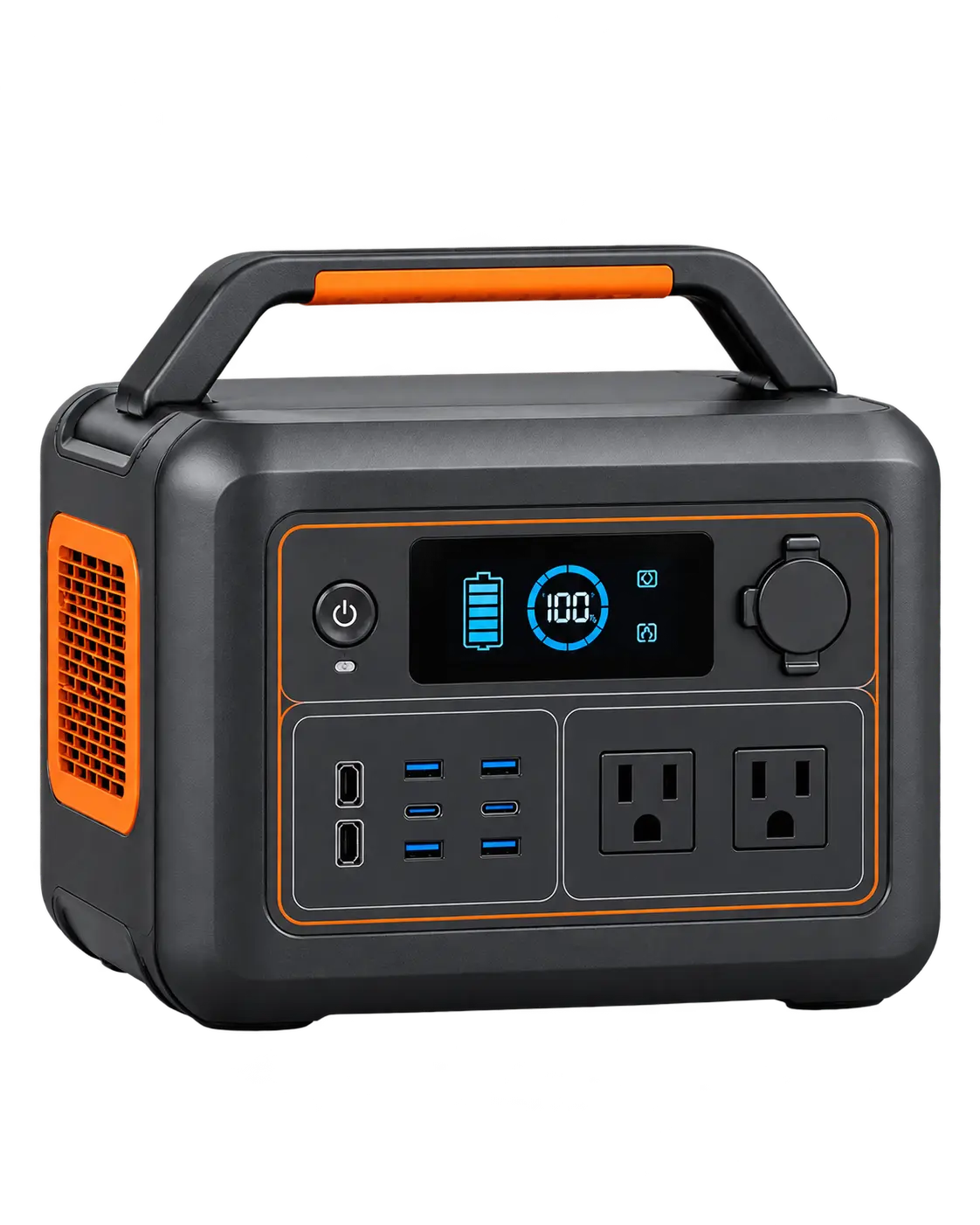
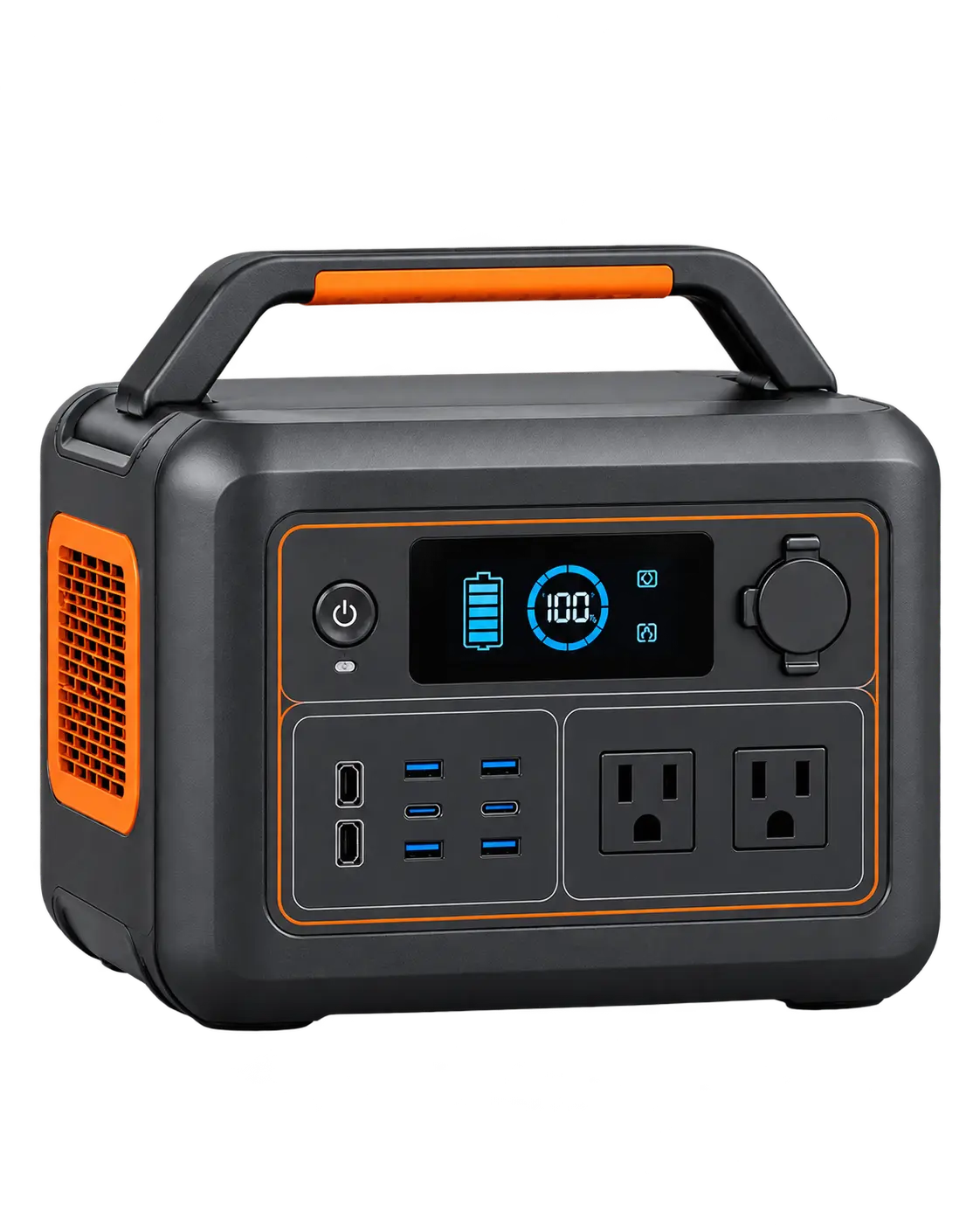
A portable power station is a rechargeable battery generator that runs your fridge, CPAP, laptop and tools with no gas, no fumes and no noise. We compared the specs, battery chemistry, charging speeds and real-world runtimes of today’s most popular models to help you pick the right portable power station for home backup, camping, RV trips and power outages.
✔ Independent & reader-supported ✔ Specs checked against manufacturer data ✔ Updated monthly ✔ No sponsored rankings
Affiliate disclosure: PowerPortableStation.com is reader-supported. When you buy through links on our site, we may earn a commission at no extra cost to you. This never affects our rankings. Learn more.
Quick picks
Our Top Portable Power Station Picks
Short on time? Here are the best portable power stations for each type of buyer. Every pick uses a LiFePO4 battery, the longest-lasting and safest chemistry you can buy in 2026.
🏆 Best Overall
Jackery Explorer 1000 v2
- 1,070Wh LiFePO4
- 1,500W (3,000W surge)
- Best for camping, CPAP, short outages
🏠 Best for Home Backup
Pecron E3600LFP
- 3,072Wh, expandable
- 3,600W (7,000W peak)
- 240V when two units are linked
💰 Best Value (2kWh)
Aferiy P210
- 2,048Wh LiFePO4
- 2,400W (4,800W surge)
- ~1.5-hr AC + solar charging
🔋 Most Expandable
Aferiy P310
- 3,840Wh → 11,520Wh
- 3,600W pure sine wave
- <10ms UPS switchover
⚡ Best Mid-Size
Pecron E1500LFP
- 1,536Wh → 7,680Wh
- 2,200W, 800W solar input
- Great for RVs & van life
🏕️ Best Budget
ALLPOWERS R1500
- 1,152Wh LiFePO4
- 1,800W output
- UPS mode, value price
Side by side
Portable Power Station Comparison Table
Compare every key spec side by side. On mobile, swipe the table sideways.
| Model | Capacity | Continuous / Surge | Battery | Charging highlights | Best for | |
|---|---|---|---|---|---|---|
| Jackery Explorer 1000 v2 | 1,070Wh | 1,500W / 3,000W | LiFePO4 | Fast AC charging, app control | Camping, CPAP | Check price |
| Jackery Explorer 2000 v2 | 2,042Wh | 2,200W | LiFePO4 | Large Jackery ecosystem | RV, 1-day outages | Check price |
| Pecron E1500LFP | 1,536Wh (to 7,680Wh) | 2,200W / 4,400W | LiFePO4, 3,500+ cycles | 800W solar, ~1.8-hr fast charge | RV, start small & expand | Check price |
| Pecron E3600LFP | 3,072Wh (expandable) | 3,600W / 7,000W peak | LiFePO4 | Up to 3,200W fast charge | Home backup | Check price |
| Aferiy P210 | 2,048Wh | 2,400W / 4,800W | LiFePO4 | 500W solar, ~1.5-hr AC + solar | Value home backup | Check price |
| Aferiy P310 | 3,840Wh (to 11,520Wh) | 3,600W | LiFePO4 | <10ms UPS | Multi-day outages | Check price |
| ALLPOWERS R1500 | 1,152Wh | 1,800W / 3,000W | LiFePO4 | UPS mode | Budget backup | Check price |
How to read this table: Capacity (Wh) = how long it runs your devices. Continuous output (W) = how many (or how powerful) devices it runs at once. Surge (W) = the short burst motors need to start, like fridges, pumps and power tools.
In-depth reviews
Best Portable Power Stations of 2026: Detailed Reviews
1. Jackery Explorer 1000 v2: Best Portable Power Station Overall
The Explorer 1000 v2 hits the sweet spot most buyers are looking for: enough capacity to run a CPAP for two to three nights or keep a full-size fridge running through a typical outage day, but light enough to carry to a campsite with one hand. Jackery has one of the longest track records in the portable power station market and a large US support network, which matters for a product you expect to last a decade.
The switch to LiFePO4 cells in the v2 generation means far more charge cycles than older lithium-ion Jackery models, so daily use (in a van, or as a work-from-home backup) won’t wear it out in a few years.
✔ Pros
- Excellent capacity-to-weight ratio for a 1kWh unit
- Long-life LiFePO4 battery
- Trusted brand with wide US support and frequent sales
- Quiet enough for tent and bedroom use
✖ Cons
- Not expandable: you can’t add battery packs later
- 1,500W won’t run high-draw appliances like a space heater or large AC
Best for: Camping, CPAP users, apartment backup, road trips. Skip it if you need to back up a whole kitchen for days.
Read our full Jackery Explorer 1000 v2 review.
2. Pecron E3600LFP: Best Portable Power Station for Home Backup
If your goal is keeping the lights on during a storm, the Pecron E3600LFP is built for the job. Its 3,600W inverter can start the motors of refrigerators, chest freezers, sump pumps and many power tools, and the 3kWh battery runs a typical fridge plus lights, Wi-Fi and phones for roughly a full day.
Need more? Add Pecron expansion batteries, or link two E3600LFP units with Pecron’s 240V box for 7,200W at 240V, enough for many well pumps and 240V circuits through a transfer switch. At about 79 lb it’s portable in the wheels-and-handle sense, not the backpack sense: a silent, fume-free alternative to a gas generator that you can safely run indoors.
✔ Pros
- 3,600W runs almost every 120V household appliance
- Expandable, with 240V capability via linking
- 2-year + 3-year extended warranty
- Very fast AC charging (up to 3,200W listed)
✖ Cons
- Heavy (about 79 lb), not for camping trips
- Bigger investment than a 1–2kWh unit
Best for: Home backup, hurricane and winter-storm prep, off-grid cabins.
Read our full Pecron E3600LFP review.
3. Aferiy P210: Best Value Portable Power Station (2kWh Class)
The Aferiy P210 gives you 2kWh of capacity and a 2,400W inverter, numbers that usually come with a premium price. Independent reviewers have reported that it stayed stable under heavy loads, and its combined AC + solar charging can refill the battery in about an hour and a half.
For buyers who want big-Jackery capacity on a tighter budget, it’s one of the strongest value picks in the 2kWh class.
✔ Pros
- 2,048Wh and 2,400W at a value-focused price
- Very fast combined AC + solar charging
- 4,800W surge handles fridges and tools
✖ Cons
- Smaller brand than Jackery, so fewer US service options
- Heavier than 1kWh units
Best for: Home backup on a budget, RV weekends, job sites.
Read our full Aferiy P210 review.
4. Aferiy P310: Most Expandable Portable Power Station
The P310 starts at a huge 3,840Wh and scales to 11,520Wh with add-on batteries, enough to run a fridge, freezer, lights and internet for several days. Its sub-10-millisecond UPS mode means computers, routers and medical devices plugged into it stay on when the grid drops.
If you’re building a serious home-backup system but don’t want permanent solar wiring, the P310 is a platform you can grow with.
✔ Pros
- Massive base capacity, expandable to 11.5kWh
- Fast UPS switchover protects electronics
- Great for multi-day outages
✖ Cons
- Heavy and large; it stays in one place
- Expansion batteries add significant cost
Best for: Multi-day outages, off-grid cabins, home offices.
5. Pecron E1500LFP: Best Mid-Size Expandable Power Station
The E1500LFP is the buy-once, grow-later pick. At 1.5kWh it’s manageable for an RV or camping trip, but you can add up to two EP3000 expansion batteries for 7,680Wh when you need serious home backup.
The 800W solar input is excellent for its size: on a sunny day, a full panel array can recharge it in a few hours. Pecron rates the battery for 3,500+ cycles and backs it with a 2+3-year warranty.
✔ Pros
- Expandable from 1.5kWh to 7.7kWh
- 2,200W inverter, 800W solar input
- 3,500+ cycle LiFePO4, 2+3-year warranty
✖ Cons
- Expansion batteries add significant cost
- Heavier than 1kWh competitors
Best for: RVers, van-lifers and anyone who wants to start small and scale up.
6. ALLPOWERS R1500: Best Budget Portable Power Station
ALLPOWERS consistently undercuts the big names on price, and the R1500 is its sweet-spot model. In one independent hands-on review it kept a family fridge and freezer running for about five hours.
With 1,800W of output, it runs more than many 1kWh rivals can, at a lower typical street price.
✔ Pros
- Strong price-to-capacity ratio
- 1,800W output beats most 1kWh rivals
- LiFePO4 battery and UPS mode
✖ Cons
- Heavier than the Jackery 1000 v2
- Not water-resistant; keep it dry outdoors
Best for: Budget home backup, garage and workshop use, car camping.
Read our full ALLPOWERS R1500 review.
7. Jackery Explorer 2000 v2: Best Large Jackery
For buyers who want Jackery’s ecosystem and support but need double the capacity of the 1000 v2, the Explorer 2000 v2 is the natural step up. It’s a strong all-rounder for RV trips and for keeping essentials running through a day-long outage.
✔ Pros
- Trusted brand and support
- 2kWh LiFePO4 battery
- Frequent deep discounts
✖ Cons
- Lower output than the similarly sized Aferiy P210
Best for: Brand-trust buyers who need around 2kWh.
Interactive tool
Portable Power Station Runtime Calculator
Not sure how big a portable power station you need? Tick your devices below and we’ll estimate runtime and recommend a size.
⚡ Portable Power Station Runtime Calculator
Tick the devices you need, set hours per day, and see what size portable power station you need.
Estimates assume 85% usable capacity and typical device wattage. Check your device’s label for exact watts.
How the math works: Runtime (hours) = battery capacity (Wh) × 0.85 ÷ device watts. The 0.85 accounts for inverter losses, because you never get 100% of the rated capacity out of a power station.
What Is a Portable Power Station?
A portable power station is a large rechargeable battery combined with an inverter, a charge controller and a set of outlets (AC, USB-A, USB-C and 12V) in one box. You charge it from a wall outlet, your car or solar panels, then use it to power devices anywhere, with no fuel, no exhaust and almost no noise.
Unlike a gas generator, a portable power station:
- Is safe to use indoors (no carbon monoxide)
- Runs silently, so it’s fine in tents, bedrooms and apartments
- Needs almost no maintenance: no oil changes, no stale fuel, no pull-starts
- Can recharge from the sun when paired with solar panels (this combo is often called a solar generator)
How does a portable power station work?
- Charging: AC wall power, a car’s 12V socket or solar panels feed energy into the battery through a built-in charge controller (MPPT for solar).
- Storage: the battery (usually LiFePO4 in 2026) stores the energy, measured in watt-hours (Wh).
- Output: a pure sine wave inverter converts the battery’s DC power into household 120V AC, clean enough for laptops, CPAP machines and medical devices.
Buying guide
How to Choose the Best Portable Power Station: 9 Factors That Matter
1. Battery capacity (Wh): how long it lasts
Capacity is the most important spec. 250–700Wh: phones, laptops, lights, one CPAP night. 1,000–1,500Wh: camping weekends, CPAP for 2–3 nights, a fridge for most of a day. 2,000–3,000Wh: home backup essentials for about a day, RV living. 3,000Wh+ or expandable: multi-day outages and off-grid cabins.
2. Continuous output (W): what it can run
Add up the watts of everything you’ll run at the same time. Your portable power station’s continuous output must be higher than that total. Microwaves, coffee makers, hair dryers and space heaters typically need 1,200–1,800W.
3. Surge (peak) output
Appliances with motors or compressors (fridges, freezers, pumps, AC units, power tools) draw 2–3× their running watts for a split second when they start. Look for a surge rating of at least 2× continuous.
4. Battery chemistry: LiFePO4 vs lithium-ion (NMC)
In 2026, LiFePO4 (lithium iron phosphate) is the clear choice. It lasts 3,000–6,000+ cycles versus 500–1,000 for NMC, is far more thermally stable, and is the standard in quality power stations. Every pick on this page uses LiFePO4.
5. Charging speed
Modern units charge from the wall in 1–2 hours, versus 6–10 hours for older models. That matters when a storm is coming and you need a full battery fast.
6. Solar input
More solar watts means faster solar charging. For off-grid or emergency use, look for 400W+ solar input on a 1kWh unit and 800W+ on 2kWh+ units.
7. Ports and outlets
Count your devices. Look for at least 4 AC outlets, 100W USB-C (for laptops) and a 12V car port (for 12V fridges). RVers should look for a TT-30 RV outlet.
8. Expandability
Expandable power stations (like the Pecron E1500LFP and Aferiy P310) let you add battery packs later. It costs more up front, but it’s the simplest way to reach 5–10kWh.
9. UPS / pass-through charging
UPS mode switches to battery in milliseconds when the grid fails, so desktop computers, routers and CPAP machines don’t even blink. Look for a switchover time under 20ms; under 10ms is excellent.
| LiFePO4 | Lithium-ion (NMC) | |
|---|---|---|
| Lifespan | 3,000–6,000+ cycles | 500–1,000 cycles |
| Safety | Very stable, low fire risk | Less thermally stable |
| Weight | Slightly heavier | Lighter |
| Best for | Daily use, home backup, long life | Ultralight carry |
What Size Portable Power Station Do I Need?
Use this table to estimate how long a portable power station can run common devices. Estimates assume 85% usable capacity.
| Device (typical watts) | 300Wh | 1,000Wh | 2,000Wh | 3,000Wh |
|---|---|---|---|---|
| Smartphone charge (~15Wh) | ~17 charges | ~57 charges | ~113 charges | ~170 charges |
| Wi-Fi router (10W) | ~25 hrs | ~85 hrs | ~170 hrs | ~255 hrs |
| Laptop (60W) | ~4 hrs | ~14 hrs | ~28 hrs | ~42 hrs |
| CPAP, no humidifier (40W) | ~6 hrs | ~21 hrs | ~42 hrs | ~64 hrs |
| 12V compressor cooler (avg 45W) | ~5.5 hrs | ~19 hrs | ~38 hrs | ~57 hrs |
| Full-size fridge (avg ~60W over a cycle) | ~4 hrs | ~14 hrs | ~28 hrs | ~42 hrs |
| 50″ LED TV (80W) | ~3 hrs | ~10 hrs | ~21 hrs | ~32 hrs |
| Electric blanket (100W) | ~2.5 hrs | ~8.5 hrs | ~17 hrs | ~25 hrs |
| Coffee maker (900W) | ✖ output too low | ~55 min | ~1.9 hrs | ~2.8 hrs |
| Microwave, 1,000W cooking (~1,400W draw) | ✖ | ~35 min* | ~1.2 hrs | ~1.8 hrs |
| Space heater (1,500W) | ✖ | ~35 min* | ~1.1 hrs | ~1.7 hrs |
More detail: what size portable power station do I need? · how long will a power station run a fridge?
Quick sizing rule: list your must-have devices, add up watts × hours of use per day, then multiply by 1.2 for a safety margin. That’s your minimum Wh.
Example: fridge (60W × 24h = 1,440Wh) + router (10W × 24h = 240Wh) + phones (60Wh) + LED lights (30W × 6h = 180Wh) = 1,920Wh × 1.2 = ~2,300Wh. A 2kWh unit plus solar, or a 3kWh unit like the Pecron E3600LFP, covers a full day.
By use case
Best Portable Power Station by Use Case
🏠 Best portable power station for home backup
For outages, prioritize capacity (2,000Wh+), 2,000W+ output, high surge and UPS mode. Our picks: the Pecron E3600LFP for heavy loads, the Aferiy P310 for multi-day expandability and the Aferiy P210 for value. Pair it with solar panels so you can recharge during long outages.
🏕️ Best portable power station for camping
For camping, weight and quiet matter most. A 500–1,100Wh unit runs lights, a 12V cooler, phones, a fan and a CPAP. Our pick: the Jackery Explorer 1000 v2. For off-grid food storage, pair it with an ACOPower LiONCooler solar fridge.
🚐 Best portable power station for RVs
RVers need 1,500Wh+, a TT-30 outlet and strong solar input. The Pecron E1500LFP (expandable, 800W solar) is our favorite. For permanent installs, many RVers use a 12V LiFePO4 battery bank instead (see below).
😴 Best portable power station for CPAP
Most CPAP machines draw 30–60W without the humidifier. A 1,000Wh unit gives 2–3 nights. Use the CPAP’s DC adapter instead of AC for 10–20% more runtime. Our pick: the Jackery Explorer 1000 v2. Always follow your CPAP manufacturer’s guidance.
🔨 Best portable power station for work sites
Contractors need high continuous output (2,000W+) and surge for saws and compressors. The Aferiy P210 (2,400W / 4,800W surge) and Pecron E3600LFP handle most corded tools.
🌪️ Best portable power station for emergencies
For hurricanes, wildfires and winter storms, choose a LiFePO4 unit you can keep at 50–80% charge for months, with fast AC charging and solar input. The Pecron E1500LFP and Aferiy P210 balance capacity, recharge speed and price.
Portable Power Station vs Gas Generator
| Portable Power Station | Gas Generator | |
|---|---|---|
| Indoor use | ✅ Safe (no fumes) | ❌ Deadly carbon monoxide risk |
| Noise | ✅ Near silent | ❌ 60–75 dB+ |
| Fuel | ✅ Wall, car or solar | ❌ Gasoline/propane (storage, cost) |
| Maintenance | ✅ Almost none | ❌ Oil, filters, spark plugs, carb cleaning |
| Runtime | ⚠️ Limited by battery (unless solar) | ✅ Unlimited while fuel lasts |
| Upfront cost per watt | ⚠️ Higher | ✅ Lower |
| Whole-home heavy loads | ⚠️ Large units only | ✅ Strong |
| Instant UPS backup | ✅ Yes | ❌ No |
Verdict: (full comparison) For apartments, camping, CPAP and most short-to-medium outages, a portable power station is safer, quieter and easier. For running central AC or an entire home for a week without sun, a large generator (or a whole-home battery system) still wins. Many households now own both.
Portable Power Station vs 12V LiFePO4 Battery: Which Do You Need?
Here’s a question most buying guides skip: do you need a portable power station at all, or would a 12V lithium battery do the job better and for less?
A portable power station is an all-in-one box: battery + inverter + charger + outlets. A standalone 12V LiFePO4 deep-cycle battery is just the battery. You wire it to your own inverter, solar charge controller and loads.
| Choose a portable power station if… | Choose a 12V LiFePO4 battery if… |
|---|---|
| You want plug-and-play, no wiring | You’re comfortable with (or hiring for) DIY wiring |
| You move it between home, car and campsite | It stays installed in an RV, van, boat or shed |
| You need 120V AC outlets out of the box | You mainly run 12V loads (lights, fans, fridges, pumps) |
| You want UPS backup for home electronics | You want the lowest cost per watt-hour |
Read the full comparison: power station vs 12V LiFePO4 battery.
Popular 12V LiFePO4 batteries
- LiTime 12V 100Ah: 1,280Wh with a 100A BMS, a popular drop-in upgrade from lead-acid. Check LiTime price
- WattCycle 12V 100Ah Mini: a true compact size (about 9 × 5.6 × 8.2 in, ~21 lb) with an optional Bluetooth app. Check WattCycle price
- Vatrer 12V 300Ah: 3,840Wh in a single battery, with low-temperature charging protection, built for RV and solar house banks. Check Vatrer price
Solar Generators: Pairing Solar Panels With Your Power Station
A solar generator is simply a portable power station plus solar panels. It’s the best way to get unlimited off-grid power and to recharge during multi-day outages.
How many solar panels do you need?
- Solar panels produce roughly 60–80% of their rated watts in real-world sun.
- A 400W panel set yields about 1.2–1.6kWh on a good day (4–5 peak sun hours).
- To refill a 2,000Wh power station in one day, aim for 600–800W of panels.
Step-by-step: how to charge a power station with solar panels · best solar generators.
Solar charging tips
- Match the panel voltage (Voc) to the power station’s solar input range.
- Never exceed the maximum solar input voltage, or you can damage the unit.
- Angle panels toward the sun and adjust them 2–3 times a day for noticeably more energy.
Jackery, Pecron, Aferiy and ALLPOWERS all sell bundled solar generator kits, which are usually cheaper than buying the panels separately.
Must-have accessory: a solar-powered fridge
A 12V compressor fridge is the most efficient way to keep food cold off-grid. The ACOPower LiONCooler series (32–52 quart) has a built-in, swappable battery and can run directly from a solar panel, reaching -4°F on larger models. Plug it into any power station’s 12V port for days of cold food at camp. Check ACOPower LiONCooler price
Portable power station safety & maintenance tips
- Store at 50–80% charge if unused for months, and top it up every 3 months.
- Keep it dry. Most units are not waterproof.
- Avoid charging below freezing (32°F / 0°C) unless the unit has battery self-heating.
- Don’t block the vents. Leave 6+ inches of airflow during heavy use.
- Use a licensed electrician for any connection to your home’s electrical panel. Never backfeed through a wall outlet.
- Check for UL or ETL certification (UL 2743 is the safety standard for portable power stations).
How We Choose and Rank Portable Power Stations
We don’t accept payment for rankings. Every portable power station on this page is evaluated on:
- Real capacity & output: manufacturer specs checked against independent test reports and owner reviews.
- Battery chemistry & lifespan: LiFePO4 with high cycle ratings scores higher.
- Charging flexibility: AC charging speed, solar input and car charging.
- Value: price per watt-hour over the product’s realistic lifetime.
- Warranty & support: warranty length, US customer support and brand track record.
- Owner feedback: recurring complaints (fan noise, app bugs, failures) count against a product.
Read our full review methodology and editorial policy.
FAQ
Frequently Asked Questions About Portable Power Stations
What is the best portable power station in 2026?
For most people, the Jackery Explorer 1000 v2 is the best portable power station thanks to its 1,070Wh LiFePO4 battery, 1,500W output and light, portable design. For home backup, the Pecron E3600LFP (3,072Wh, 3,600W) is our top pick, and the Aferiy P210 offers the best value in the 2kWh class.
How long will a portable power station last?
It depends on capacity and what you plug in. Divide usable capacity (rated Wh × 0.85) by your device’s watts. A 1,000Wh portable power station runs a 60W laptop for about 14 hours, or a full-size fridge for roughly 12–15 hours. A LiFePO4 battery itself lasts 3,000+ charge cycles, which is about 10 years of regular use.
Can a portable power station run a refrigerator?
Yes. Most full-size fridges need about 100–200W while running and a surge of 600–1,200W at start-up. Any power station with 1,000W+ continuous output and 1,000Wh+ capacity can run one, and a 2,000Wh unit keeps it running for about a day.
Can I use a portable power station indoors?
Yes. Unlike gas generators, portable power stations produce no fumes or carbon monoxide, so they’re safe to use inside your home, tent or RV. Keep the vents clear and the unit dry.
What size portable power station do I need for a house?
To keep essentials running (fridge, lights, Wi-Fi, phones and a TV) during an outage, plan on 2,000–3,000Wh with 2,000W+ output. For multi-day outages, choose an expandable unit or add solar panels.
Can a portable power station run an air conditioner?
Small window AC units (5,000–8,000 BTU, roughly 450–700W running) can run on a power station with 1,500W+ output and high surge, but only for a few hours unless you have a very large or expandable battery. Central AC is not practical on a portable power station.
Is a portable power station worth it?
If you experience power outages, camp, use a CPAP or work remotely, yes. It’s a quiet, safe, maintenance-free backup that can also recharge from solar for free.
What’s the difference between a portable power station and a solar generator?
A solar generator is a portable power station bundled with solar panels. The power station stores the energy; the panels recharge it.
How long does it take to charge a portable power station?
Most 2026 models charge from a wall outlet in 1–2 hours. Solar charging takes 3–8 hours depending on panel wattage and sunlight, and car charging can take 10+ hours on large units.
LiFePO4 or lithium-ion: which is better for a power station?
LiFePO4 lasts 3–6× longer (3,000+ cycles vs about 500–1,000), is more stable and safer, and is now the standard in quality power stations. Lithium-ion (NMC) is slightly lighter but wears out much faster.
Keep reading
Portable Power Station Guides & Reviews
Final verdict
Which Portable Power Station Should You Buy?
Best for most people
Jackery Explorer 1000 v2
Light, trusted and enough power for camping, CPAP and short outages.
Best for home backup
Pecron E3600LFP
3,600W and expandable to handle real outages.
Best value
Aferiy P210
2kWh and 2,400W without the premium price.
Still unsure? Use our runtime calculator to size your portable power station in under a minute.